
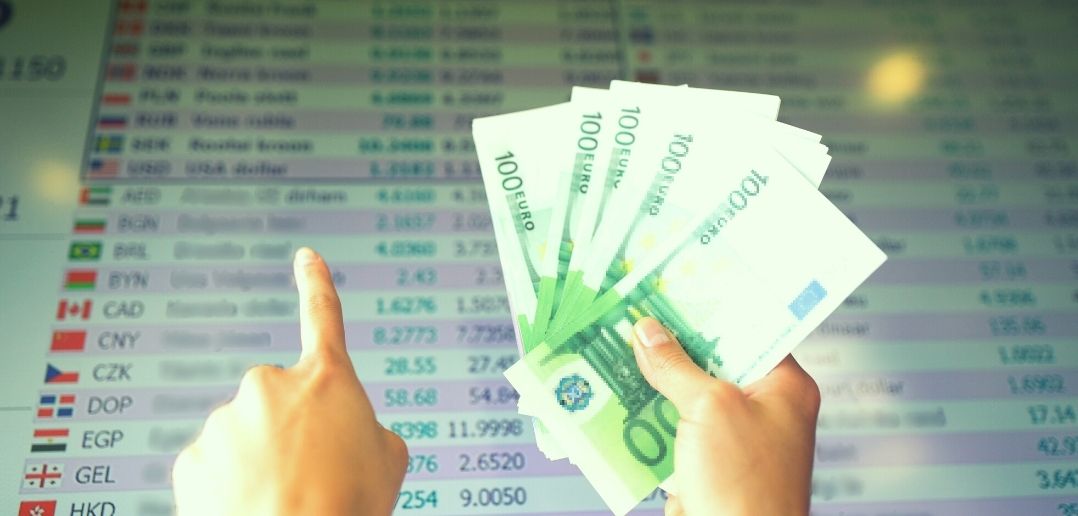
There is no difference in between whether you are a traveller or an investor, exchange rates affect your life. But, what are the actual things that affect changing exchange rates?
There are several factors that have an influence on exchange rates. Some of them are linked to the national state, some others are related to the foreign countries. Wherever you go the thing you need to live is money. For these reasons, for example, if you are a traveller you need to exchange your domestic money into this country’s fiat money wherever you are going, in order to buy things.
In addition to that, it is worth noting that exchange rates are linked to the Forex market, which is one of the largest markets around the world. The Foreign exchange market allows investors and other individuals to exchange one currency for another. In order to find the reasons that make exchange rates volatile and fluctuate in terms of price levels, let’s discuss one by one what are these factors that significantly have an effect on exchange rates.
Interest Rates
Interest rates have a significant impact on what affects exchange rates. Every person who has ever completed a significant purchase has dealt with interest rates. In terms of the exchange rate, numerous swings in a particular interest rate play a significant influence. Changes in the value of a currency, in particular, are significant.
Interest rates may rise or fall based on their relationship with a certain lender. Lenders desire higher interest rates in relation to their local currency in order to maximize earnings. If this scenario develops, then it will affect the interest rates as well. As the interest rate has grown, more and more people want to invest their money in a certain country’s businesses. Investing money in a country’s businesses, per se, leads the domestic currency to increase in value. The main idea behind this is that as the demand for the currency increases the currency’s exchange rate goes up as well.
Inflation
The relevant interest rate is not the sole factor influencing the exchange rate. Inflation is another influencing element that will have an effect on the results in some way. Simply expressed, any fluctuations in the marketplace inflation will have an impact on the exchange rate. If a country has low inflation, the exchange rate may rise.
Moreover, it should be said that as the inflation rate increases the interest rates decrease. Those people who are actively involved in the Forex market and are interested in exchanging rates, use economic indicators in Forex markets, as this indicator is one of the opportunities for the investors to forecast the following inflation rate in the country. If the inflation rate increases, this means that the demand for the currency is going to decrease, so fewer investors will have a will to purchase this currency.
A state with a greater rate of inflation, on the other hand, would see its exchange rate depreciate. This, in return, has a reciprocal effect on its interest rate. Higher interest rates are unavoidable, and they may vary in response to the given inflation rate.
Political Status
The determination of the currency rate is also influenced by political stability or turbulence. A country less susceptible to turbulence might be more appealing to investors. This might thus have a favourable effect on the exchange rate.
Inversely, a state in a major political struggle might see the potential worth of its currency decline. What is so intriguing about this issue is that even a country has a solid economic perspective. But if state turbulence exists, the currency rate can still be reduced.
Speculation on the market
Investors usually speculate in the marketplace. The main reason behind this is that as the currency is going to increase, the demand for a certain currency is going to grow, as well. If the marketers see that a country is going to print more money, most presumably, the currency is going to decrease in its value. The main idea behind this is the growth of supply.
It goes without saying that the exchange rates market is grounded on the law of demand and supply. As a result, investors frequently speculate on how various things may affect it. If the value of a currency, for example, is expected to rise, there will be increased demand for that money in the future. The rates given by currency exchange services will reflect the market demand.
Recessions
One of the things that affect the exchange rates is economic recessions. Due to a variety of factors, this is a significant shortcoming of all economic pressures. If a downturn does develop, the exchange rate will be affected. In general, exchange rates decline, causing the exchange rate to decline as well.
One point that is worth mentioning is that currency rates aren’t constant and stable and they always fluctuate as long as there are several factors that have an impact on their value changes. It is always changing in some fashion, all of which are influenced by many factors. If you want to acquire, sell, or participate in foreign money, you should constantly keep up to date. Your money will be influenced in varying degrees, either favourably or badly.
Debt
Debt might be an impairment of an investor’s foreign currency acquisition capability. These investors are usually more prepared to sell their inventories and assets in a marketplace.
If the budget deficit in the country reflects this market, the exchange rate’s value will fall. International investors desire the minimum risk involved to generate a return. The currency rate will almost quickly reflect this when debt is large for any reason.
Trade
Similar to imports, exports can have a drastic effect on the exchange rates and its price fluctuations. All this is due to the terms of a nation’s commerce, which is a metric of import prices for exports. If a nation has higher trading conditions, this generates greater money. The exchange rate often increases as well when this happens.